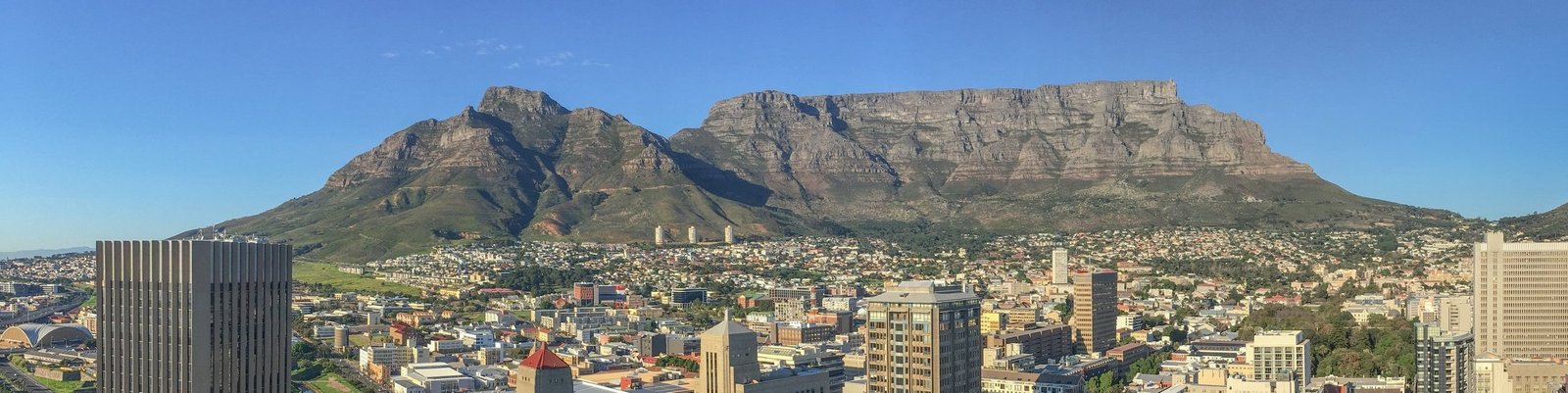
Provisional Programme: Cape Town 26-27 Jan 2023
BACK TO MAIN PROGRAMME
All times are in SAST
| Thursday, 26 January | University of Cape Town |
|---|---|
| 09.00 – 09.30 | Welcome and Introductions
Prof. Tobias Schonwetter, Director, Intellectual Property Unit, University of |
| Each panel will be led by a moderator who will ask each panelist to comment for a maximum of 5-6 minutes on a first question or two (noted below). A roundtable discussion will then allow each speaker and the discussants to add additional issues into the discussion. |
|
| 09.30 – 11.20 | Session 1: After the Fires: Digitising our Heritage
The collection, protection and preservation of African historical records and What was the impact of the UCT fire on preserved collections of potentially How does copyright and its exceptions facilitate the role of legal deposit How can we preserve and protect African Heritage through Digitisation? What are the copyright barriers to digital preservation through Wikipedia and How does the Rock Art Research Institute approach seek to maximise access Discussants: |
| 11.20 – 11.40 | Tea Break |
| 11.40 – 13.30 | Session 2: Access to Knowledge in Africa: Health, Culture and Artificial Intelligence
Innovation and creativity in Africa relies on access to creative works from Artificial Intelligence Simulation: The Online South African History Database How do African researchers make use of journal articles, health data, and How do we ensure that African artists and musicians have access to cultural How do artificial intelligence applications rely on text and data mining of Discussants: |
| 13.30 – 14.50 | Lunch |
| 14.50 – 16.50 | Session 3: Taking Stock: Strengthening the Voices of Africa & the Global South: New Directions in WIPO, AfCFTA and Copyright in Africa. Facilitating science, creativity and innovation. As copyright increasingly deals with core public issues, how do we ensure that Chair: Dr. Viviana Muñoz-Tellez, Programme Coordinator, South Centre Bridging the gap between multilateral and national processes: where are How can Africa use human rights instruments to strengthen its right to What are copyright law approaches countries may use to enable preservation What processes at WIPO are addressing issues related to copyright user What objectives are Africa negotiators pursuing in relation to copyright and How does recognition of the right to research contribute to Africa’s digital Discussants: |
| 16.50 – 17.30 | Final Questions and Closing Statements |
| 17.30 – 19.30 | Artists Unite Reception |
| Friday, 27 January | University of Cape Town | |
|---|---|---|
| 09.00 – 11.00 | Session 4: Wikipedia Workshop or Edit-athon: visit the Wikipedia kiosk to help us improve copyright related content on Wikipedia and work with a Wikipedia editor to get it done and learn more about editing the free online encylopedia. |
Session 5: EIFL R2R Grantee Meeting (Invitation only) Chair: Chair: Teresa Hackett, EIFL Copyright |
| 11.00 – 11.20 | Tea Break | |
| 11.20 – 13.00 | Session 6: Making the Copyright Amendment Bill work in South Africa: Provincial Hearings in the Western Cape and Other Provinces
Over ten years in the making, South Africa’s new copyright law is built around two core principles: Fair Royalties and Fair Use. The journey hasn’t been easy, with opposition from those with an interest in the status quo. The law is supported by a broad coalition of creators and civil society groups. Come to this session to hear more about the CAB and how you can get involved in South Africa and across the world. |
|
| 13.00 – 13.30 | Session 7: Freedom of Panorama
From Instagram users to tweeters to Wikipedia editors, the lack of Freedom of Panorama in South Africa exposes us all. Its absence makes it risky to take photographs of many public monuments and buildings and share them over the internet. Paradoxically pictures of old colonial era monuments can be freely shared as the copyright has expired, whereas freedom struggle monuments cannot. Why is this the case and how will the Copyright Amendment Bill fix this problem? How can this issue be handled in other African countries? |
|
| 13.30 – 14.30 | Lunch | |
| 14.30 – 16.00 | Visit to Parliament; Photocalls |
More on this campaign: Right to Research · The Copyright Amendment Bill · Legal archive · Resources · Take action